
Introduction
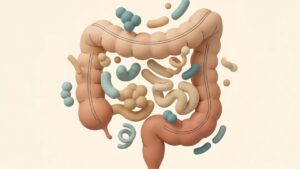
Your digestive system does more than break down food. It also provides a home for trillions of microorganisms that interact with the body and contribute to several important biological processes. Together, these microorganisms form what is known as the gut microbiome.
The gut microbiome has become an important area of health research because it influences how certain foods are digested, supports normal intestinal function, and interacts with the immune system. The composition of this microbial community can vary from person to person and may change in response to diet, medications, illness, age, and lifestyle.
Although the gut microbiome is complex, supporting digestive health does not necessarily require expensive supplements or restrictive diets. Everyday habits, particularly eating a variety of fibre-rich foods and maintaining a balanced lifestyle, can help create conditions that support beneficial gut microorganisms.
This article explains what the gut microbiome is, how gut bacteria influence digestion, and which practical habits may help maintain digestive well-being.
What Is the Gut Microbiome?
The gut microbiome refers to the community of microorganisms and their genetic material living in the digestive tract. These microorganisms include bacteria, viruses, fungi, and other microbes, with large populations found in the intestines.
Many gut microorganisms coexist with the body and perform useful functions. Others can cause problems under certain circumstances. A healthy digestive system depends not simply on eliminating harmful bacteria but on maintaining a functioning relationship between the body and its microbial community.
Each person’s microbiome is unique. Factors such as early-life exposures, genetics, diet, environment, medications, and health conditions can influence its composition.
Researchers are still investigating what constitutes an ideal microbiome for different individuals. Therefore, there is no single bacterial profile that guarantees perfect digestive health.
For an overview of the science, explore Harvard T.H. Chan School of Public Health’s guide to the microbiome.
How Gut Bacteria Influence Digestive Health
1. Helping Break Down Dietary Fibre
Some carbohydrates and fibres cannot be fully digested by human digestive enzymes. When they reach the large intestine, certain gut bacteria ferment them and produce substances called short-chain fatty acids.
These compounds help nourish cells lining the colon and contribute to the intestinal environment. The fermentation process also produces gas, which explains why increasing fibre intake too quickly can cause bloating or flatulence in some people.
Eating a variety of fibre-containing foods can provide different substrates for gut microorganisms and support normal bowel function.
2. Supporting Regular Bowel Movements
Dietary fibre helps regulate stool consistency and bowel movements. Some types of fibre hold water, while others contribute bulk to stool. Gut bacteria also ferment certain fibres, influencing the intestinal environment.
Fibre-rich foods include oats, beans, lentils, vegetables, fruits, nuts, seeds, and whole grains.
Individual tolerance varies. People who experience irritable bowel syndrome (IBS) or other digestive conditions may find that certain foods trigger symptoms. Increasing fibre gradually and choosing suitable sources can be more comfortable than making sudden dietary changes.
3. Interacting With the Immune System
The gut is an important site of immune activity. Gut microorganisms interact with the intestinal lining and immune system, helping the body maintain normal responses to substances encountered through food and the environment.
Certain microbes also compete with potentially harmful organisms for nutrients and space. These interactions are part of the body’s natural protective mechanisms.
However, the microbiome is only one component of immune health. No food or supplement can guarantee protection against infections or replace appropriate medical care.
4. Contributing to Nutrient Processing
Gut microorganisms help process components of food that the body cannot digest independently. They can also produce certain substances, including some vitamins and short-chain fatty acids.
The extent of these contributions varies according to the microorganisms present and the person’s diet and health.
A varied diet provides nutrients directly while also supplying different types of fibre that gut bacteria can use.
5. Communicating With Other Body Systems
The gut and brain communicate through several pathways involving nerves, hormones, immune signals, and microbial products. This network is commonly called the gut-brain axis.
Researchers are studying how these interactions relate to appetite, stress, mood, and digestive symptoms. However, many associations are complex, and changes in gut bacteria do not automatically prove that the microbiome causes a particular mental or physical health condition.
What Can Affect the Gut Microbiome?
Several everyday and medical factors can influence gut microorganisms.
- Diet: The amount and variety of fibre, plant foods, fats, and other nutrients in the diet can influence microbial activity.
- Antibiotics and other medicines: Antibiotics can alter gut bacteria, sometimes temporarily and sometimes for longer periods. Other medicines may also influence digestive function.
- Illness and infections: Gastrointestinal infections and certain medical conditions can change the intestinal environment.
- Age: The microbiome changes throughout life, influenced by diet, health, medication use, and other factors.
- Stress and sleep: These can affect digestive symptoms and behaviours, although their specific effects on the microbiome vary.
- Smoking and alcohol: These can affect overall health and may influence digestive function and microbial communities.
Changes in the microbiome are not necessarily harmful. The important question is how the microbial community functions within the person’s overall health.
Foods That Support a Healthy Gut Microbiome
1. Fibre-Rich Plant Foods
Vegetables, whole fruits, legumes, and whole grains provide fibre that can be used by gut bacteria.
Try including foods such as apples, pears, carrots, oats, chickpeas, lentils, and whole-wheat products throughout the week. Eating different plant foods provides a wider variety of nutrients and fibre types.
If your current diet is low in fibre, increase it gradually and drink appropriate amounts of fluid to help your body adjust.
2. Prebiotic Foods
Prebiotics are substances, often particular types of fibre, that certain microorganisms can use selectively.
Food sources include onions, garlic, asparagus, oats, beans, and some slightly less-ripe bananas. These foods can support microbial activity, although their effects vary between individuals.
Some prebiotic foods can increase gas or bloating, especially when eaten in large quantities. If you have a sensitive digestive system, introduce them in small portions and observe your tolerance.
3. Fermented Foods
Fermented foods can add variety to a balanced diet. Examples include yoghurt with live cultures, kefir, kimchi, sauerkraut, and certain fermented soy products such as tempeh.
Some fermented foods contain live microorganisms, but not all contain proven probiotics. Heating and processing may destroy live cultures, so check product labels when this matters.
Fermented foods are optional rather than essential. Choose products that fit your dietary needs, and be mindful of sodium content in some fermented vegetables and sauces.
4. Adequate Water and Balanced Meals
Fluid intake helps support normal digestion, particularly when increasing fibre. Water, soups, and water-rich foods can contribute to hydration.
Regular, balanced meals containing vegetables, whole grains, protein, and suitable fats can also make it easier to meet nutritional needs.
There is no single food that can repair every digestive problem. The overall dietary pattern is more important than relying on one supposedly powerful ingredient.
Probiotics: Do You Need a Supplement?
Probiotics are live microorganisms that provide a health benefit when administered in adequate amounts. Their effects depend on the particular strain, dose, and condition being addressed.
Some probiotic products have evidence for specific uses, but benefits are not universal. A supplement that helps one condition may not help another, and many products marketed for general gut health have limited evidence.
For most people, a varied, fibre-rich diet is a sensible starting point. Ask a healthcare professional before taking probiotic supplements if you have a weakened immune system, a serious underlying illness, or other medical concerns.
For additional guidance, see Harvard’s overview of probiotics for gut health.
Practical Daily Habits for Better Digestive Health
You can support digestive well-being with simple, sustainable habits:
- Eat a variety of vegetables, fruits, legumes, and whole grains.
- Increase fibre gradually if your current intake is low.
- Drink enough fluid for your needs, unless medically advised otherwise.
- Include suitable physical activity in your daily routine.
- Maintain a regular sleep schedule.
- Notice recurring food-related symptoms without unnecessarily eliminating entire food groups.
- Use antibiotics only as prescribed and follow your healthcare professional’s instructions.
Avoid extreme elimination diets, unproven gut cleanses, and supplements that promise to completely reset the microbiome.
When Should You Seek Medical Advice?
Occasional gas, bloating, or changes in bowel movements can occur for many reasons. However, persistent or worsening digestive symptoms should be assessed by a healthcare professional.
Seek medical advice if you experience ongoing abdominal pain, persistent diarrhoea or constipation, unexplained weight loss, or a lasting change in bowel habits. Blood in the stool or black, tarry stools also require prompt medical assessment; severe pain, substantial bleeding, or signs of dehydration may require urgent care.
These symptoms can have causes unrelated to the microbiome, so professional evaluation is important.
Frequently Asked Questions
1. What is the gut microbiome in simple terms?
The gut microbiome is the community of microorganisms living in the digestive tract. These microbes interact with food, the intestinal lining, and the immune system and help process certain dietary fibres.
2. Which foods are best for gut bacteria?
A varied diet containing vegetables, fruits, legumes, whole grains, nuts, and seeds provides fibre for gut microorganisms. Fermented foods with live cultures can also be included if suitable for your health and dietary preferences.
3. Can probiotics improve digestive health?
Certain probiotics may help with specific digestive problems, but their effects depend on the strain and condition. They are not necessary for everyone and should not be treated as a universal solution for digestive symptoms.
4. How long does it take to improve gut health?
There is no fixed timeline. Some digestive changes may occur relatively quickly after dietary adjustments, while longer-term changes vary between individuals. Sustainable habits and appropriate treatment for any underlying condition are more important than trying to achieve a rapid microbiome transformation.
Conclusion
The gut microbiome is a complex community that contributes to digestion, fibre fermentation, intestinal function, and interactions with the immune system. Its composition is influenced by diet, medications, age, environment, and other aspects of health.
A practical way to support digestive well-being is to eat a variety of fibre-rich foods, include suitable fermented foods if desired, stay hydrated, remain physically active, and maintain a consistent sleep routine. Probiotic supplements may have a role in specific situations, but they are not a replacement for balanced nutrition or medical advice.
There is no perfect microbiome that looks the same in everyone. Focus on habits that support your digestive health, pay attention to persistent symptoms, and seek professional guidance when needed.
Medical disclaimer: This article is for general educational purposes only and does not replace professional medical advice, diagnosis, or treatment.
Official and Trusted Health Sources
- Harvard T.H. Chan School of Public Health: The Microbiome
- Harvard T.H. Chan School of Public Health: Probiotics for Gut Health
- Harvard Health Publishing: How and Why to Fit More Fibre and Fermented Food Into Your Meals
Author: Charlotte Davis
Charlotte Davis writes about health, nutrition, digestive wellness, and preventive care. Her work focuses on explaining health topics in clear, accessible language and helping readers understand the role of everyday habits in supporting well-being. She encourages evidence-informed lifestyle choices while recognising the importance of individual needs and guidance from qualified healthcare professionals.