
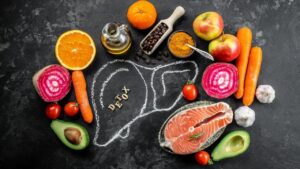
Introduction
The liver performs many essential functions that help keep the body healthy. It processes nutrients from food, produces bile for digestion, stores energy, and helps break down medicines and other substances. Because it plays such an important role in metabolism, everyday dietary choices can influence liver health over time.
An unhealthy eating pattern, particularly one high in added sugars, excess calories, and saturated fats, may contribute to metabolic problems and fat accumulation in the liver. This condition is commonly associated with metabolic dysfunction-associated steatotic liver disease (MASLD), previously known as non-alcoholic fatty liver disease (NAFLD).
The encouraging news is that a balanced diet can support overall metabolic health and may help reduce liver fat, particularly when combined with regular physical activity and appropriate weight management. However, no single food can cleanse the liver or cure liver disease.
This guide explores the foods to include more often, the foods and drinks to limit, and practical ways to build a liver-friendly eating routine.
Why Does Diet Matter for Liver Health?
The liver helps regulate the way the body processes carbohydrates, fats, and proteins. When a person regularly consumes more energy than the body needs, excess energy can contribute to fat accumulation, including in the liver.
Diets high in sugary beverages, refined carbohydrates, and saturated fats may also contribute to insulin resistance, abnormal cholesterol levels, and other metabolic risk factors.
A healthy dietary pattern can help address these factors. According to the National Institute of Diabetes and Digestive and Kidney Diseases (NIDDK), people at risk of fatty liver disease may benefit from healthy food choices, appropriate portions, and maintaining a suitable weight.
Dietary needs can vary depending on the type and severity of liver disease. People with advanced liver disease may require individual nutritional advice from their healthcare team.
Best Foods to Eat for Liver Health
1. Fresh Vegetables
Vegetables provide fibre, vitamins, minerals, and other beneficial plant compounds. They can also help make meals filling without adding excessive calories.
Useful choices include:
- Spinach and other leafy greens.
- Broccoli and cauliflower.
- Carrots and bell peppers.
- Cabbage and green beans.
- Tomatoes and cucumbers.
Try including a variety of vegetables in your main meals. Steaming, roasting, grilling, or lightly sautéing them can help preserve their flavour without requiring large amounts of added fat.
2. Whole Fruits
Whole fruits provide fibre, vitamins, and naturally occurring sugars within a food structure that is generally more filling than sweetened drinks.
Apples, oranges, berries, pears, guavas, and other seasonal fruits can be part of a balanced diet. Choose whole fruit more often than fruit juice, as juice is easier to consume quickly and usually contains less fibre per serving.
Fruit does not need to be eliminated simply because it contains natural sugar. Portion sizes and the overall dietary pattern matter.
3. Whole Grains
Whole grains provide fibre and other nutrients that support digestion and metabolic health. They can also help replace some refined carbohydrate foods.
Consider including:
- Oats.
- Whole-wheat bread and chapati.
- Brown rice.
- Barley.
- Millets such as jowar, bajra, and ragi.
You do not necessarily need to avoid rice or other staple foods. Instead, consider portion sizes and balance your meals with vegetables and protein-rich foods.
4. Beans, Lentils, and Other Pulses
Beans, chickpeas, lentils, and peas are useful sources of plant protein and fibre. They can support a balanced eating pattern and provide an alternative to meals dominated by fatty or processed meats.
For vegetarian meals, dal, rajma, chana, and other pulses can be practical everyday options. Prepare them with moderate amounts of oil and salt, and combine them with vegetables and whole grains where suitable.
5. Nuts and Seeds
Almonds, walnuts, peanuts, chia seeds, and flaxseeds provide unsaturated fats and other nutrients.
Small portions can be added to breakfast, yoghurt, salads, or snacks. Although these foods can fit into a liver-friendly diet, they are energy-dense, so large quantities may not suit everyone’s nutritional needs.
Choose plain or lightly salted varieties more often than heavily salted, sugar-coated, or fried versions.
6. Healthy Sources of Protein
Protein helps maintain muscle and supports normal body functions. Suitable sources include beans, lentils, tofu, eggs, fish, skinless poultry, and unsweetened or lower-sugar dairy products.
Fish can provide protein and, in some varieties, omega-3 fatty acids. Plant-based options such as lentils and tofu are useful alternatives.
The best choices depend on personal preferences, dietary restrictions, other medical conditions, and the stage of any existing liver disease.
7. Water and Unsweetened Drinks
Water is a practical everyday drink that helps maintain hydration without adding sugar.
Unsweetened tea and coffee may also fit into a balanced diet for many adults. Some research links coffee consumption with better liver outcomes, but coffee is not a treatment or a substitute for medical care. Avoid adding excessive sugar or relying on high-calorie coffee drinks.
People who have been advised to restrict fluids or caffeine should follow their healthcare professional’s recommendations.
Foods and Drinks to Limit for Better Liver Health
1. Sugary Drinks
Soft drinks, energy drinks, sweetened iced teas, and sugar-heavy beverages can add substantial amounts of sugar to the diet without providing much nutritional value.
Frequent consumption may contribute to excess calorie intake and metabolic problems associated with fatty liver disease.
Better choice: Water, sparkling water without added sugar, or unsweetened drinks.
2. Foods High in Added Sugar
Regularly eating large amounts of sweets, pastries, biscuits, desserts, and sugar-rich breakfast products can make it harder to maintain a balanced dietary pattern.
You do not necessarily need to eliminate every treat. Focus on how often these foods are eaten, the portion size, and the overall quality of your diet.
3. Deep-Fried and High-Saturated-Fat Foods
Frequent consumption of fried fast food, fatty cuts of meat, processed meats, and foods made with large amounts of butter or other saturated fats may contribute to poor metabolic health.
Try replacing some of these foods with grilled, baked, steamed, or roasted options. Use moderate amounts of unsaturated fats, such as olive or other suitable vegetable oils, rather than relying heavily on saturated fats.
4. Highly Processed Foods
Some packaged snacks, processed meats, instant meals, and convenience foods contain high amounts of sodium, saturated fat, refined carbohydrates, or added sugar.
Not every packaged food is unhealthy, so check nutrition labels when possible. Choose options with less added sugar and sodium and more fibre where appropriate.
5. Excessive Alcohol
Alcohol can contribute to liver damage and may worsen existing liver disease. The safest advice depends on the person’s diagnosis and the extent of liver injury.
If you have fatty liver disease, fibrosis, or cirrhosis, ask your healthcare professional whether you should avoid alcohol completely. Do not assume that alcohol is harmless simply because it is consumed alongside food.
6. Unproven Liver Detox Products
Juice cleanses, detox teas, and supplements marketed as liver cleansers are not proven substitutes for evidence-based care. Some herbal products and supplements can cause liver injury or interact with medicines.
Before using supplements, discuss them with a healthcare professional, especially if you have an existing liver condition. Do not stop prescribed medicines or delay recommended treatment in favour of a detox product.
How to Build a Liver-Friendly Daily Eating Routine
Healthy eating does not require expensive ingredients or a complicated meal plan. Consistency matters more than following a strict or fashionable diet.
Here is a simple example of how a balanced day might look:
Breakfast: Oats with plain yoghurt and fruit, or vegetable poha with a protein-rich accompaniment.
Lunch: Chapati or a moderate portion of rice, dal or beans, cooked vegetables, and salad.
Snack: A piece of whole fruit, a small handful of unsalted nuts, or plain yoghurt.
Dinner: Vegetables with lentils, tofu, fish, eggs, or another suitable protein source, alongside a whole grain or other staple food.
Drinks: Water throughout the day, with unsweetened beverages as suitable.
This is a general example, not a personalised prescription. People with diabetes, kidney disease, food allergies, advanced liver disease, or other health conditions may need adjustments.
Other Habits That Support Liver Health
Diet works best as part of a broader lifestyle approach.
- Stay physically active: Regular walking, cycling, swimming, or other suitable exercise can improve metabolic health.
- Manage weight gradually: If you have overweight or obesity, gradual weight loss may reduce liver fat. Rapid weight loss and crash diets can be harmful.
- Monitor related health conditions: Work with your healthcare professional to manage blood sugar, cholesterol, and blood pressure.
- Attend recommended check-ups: Fatty liver disease can develop without obvious symptoms, so appropriate assessment matters when risk factors are present.
- Follow personalised medical advice: Advanced liver disease may require specific changes to protein, sodium, fluid, or overall energy intake.
The NHS guidance on fatty liver disease provides additional information about lifestyle changes and medical follow-up.
Frequently Asked Questions
1. What is the best diet for liver health?
A balanced eating pattern rich in vegetables, whole fruits, whole grains, legumes, nuts, and suitable protein sources is a good starting point. Mediterranean-style eating patterns have been recommended for people with MASLD, but the diet should be adapted to individual needs and cultural food preferences.
2. Which foods should I avoid if I have fatty liver?
It is generally helpful to limit sugary drinks, foods high in added sugar, excessive saturated fats, and highly processed foods. People with liver disease should also discuss alcohol use and supplements with their healthcare professional.
3. Can drinking water remove fat from the liver?
No. Water supports hydration, but drinking extra water does not directly remove accumulated liver fat. Improving diet quality, increasing suitable physical activity, managing metabolic conditions, and achieving gradual weight loss when appropriate may help.
4. Can fatty liver improve through diet alone?
Dietary changes can help, but results depend on the cause and severity of the condition. Physical activity, weight management when appropriate, treatment of related medical conditions, and professional monitoring may also be important.
Conclusion
Diet plays an important role in supporting liver and metabolic health. Eating more vegetables, whole fruits, whole grains, legumes, nuts, and suitable protein sources can help create a balanced dietary pattern. At the same time, limiting sugary beverages, excess added sugar, frequent deep-fried foods, and excessive alcohol exposure may reduce important risk factors.
There is no single food that can repair every form of liver damage, and detox products are not a reliable shortcut. The most effective approach is to make sustainable changes, stay physically active, and seek appropriate medical advice when needed.
If you have been diagnosed with fatty liver disease or have risk factors such as diabetes or abnormal liver tests, discuss a suitable nutrition and monitoring plan with your healthcare professional.
Medical disclaimer: This article is for general educational purposes only. It does not replace professional medical advice, diagnosis, or treatment.
Official Health Sources
- NIDDK: Eating, Diet, and Nutrition for Fatty Liver Disease
- NIDDK: Treatment for Fatty Liver Disease
- NHS: Non-Alcoholic Fatty Liver Disease
Author: David
David writes about health, wellness, and preventive healthcare, focusing on making health information accessible and easy to understand. His articles aim to help readers explore everyday nutrition choices, understand common health conditions, and build sustainable habits while encouraging informed discussions with qualified healthcare professionals.