
Introduction
The liver plays an essential role in maintaining overall health. It helps process nutrients, produces bile for digestion, stores energy, and breaks down various substances in the body. However, when excess fat accumulates in the liver, it can lead to a condition known as fatty liver disease.
Fatty liver disease may develop without noticeable symptoms, particularly during its early stages. Although some people experience little or no liver damage, others may develop inflammation, scarring, or more serious complications over time. Understanding its causes, risk factors, and prevention strategies can help people make informed decisions about their health.
The good news is that healthy lifestyle changes can help reduce liver fat and, in many cases, lower the risk of disease progression. This article explains what fatty liver disease is, how to recognise potential warning signs, and which habits may support long-term liver health.
What Is Fatty Liver Disease?
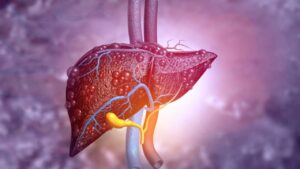
Fatty liver disease occurs when excess fat builds up inside the liver. A small amount of fat is normal, but excessive accumulation may be associated with metabolic problems, alcohol consumption, or other medical conditions.
There are two major categories:
1. Metabolic dysfunction-associated steatotic liver disease (MASLD)
MASLD, previously called non-alcoholic fatty liver disease (NAFLD), is associated with metabolic risk factors such as excess body weight, insulin resistance, type 2 diabetes, and abnormal cholesterol levels. It can also affect people who do not have obesity.
2. Alcohol-associated liver disease
This form develops when alcohol consumption contributes to fat accumulation and liver injury. The risk depends on several factors, including the amount and pattern of alcohol consumption and individual susceptibility.
A more advanced form of metabolic fatty liver disease is called metabolic dysfunction-associated steatohepatitis (MASH). It involves fat accumulation accompanied by inflammation and liver cell damage. Over time, this may lead to fibrosis, cirrhosis, or other serious complications.
For more information, visit the National Institutes of Health’s overview of MASLD.
What Causes Fatty Liver Disease?
Fatty liver disease can develop for several reasons. In many cases, several factors contribute simultaneously.
Insulin resistance and metabolic problems
Insulin helps regulate blood glucose levels. When the body becomes less responsive to insulin, the liver may accumulate excess fat. This process is commonly associated with type 2 diabetes, prediabetes, and metabolic syndrome.
Excess body weight
Carrying excess body fat, particularly around the waist, is associated with a greater risk of metabolic fatty liver disease. However, body weight alone does not determine whether someone will develop the condition.
Unbalanced dietary habits
Frequent consumption of sugary drinks, foods high in added sugar, and calorie-dense meals may contribute to excess energy intake and metabolic problems. Over time, these factors can increase the likelihood of fat accumulation in the liver.
Alcohol consumption
Regular or excessive alcohol consumption can contribute to liver fat accumulation and damage. People who already have liver disease should discuss alcohol avoidance with their healthcare professional.
Certain medicines and other conditions
Some medicines and less common medical or genetic conditions can contribute to fat accumulation in the liver. Do not stop prescribed medication without consulting your healthcare professional.
Symptoms of Fatty Liver Disease
One of the main challenges with fatty liver disease is that it often causes no symptoms during its early stages. Many people discover the condition through routine blood tests or abdominal imaging performed for another reason.
When symptoms occur, they may include:
- Persistent tiredness or fatigue.
- Discomfort or a dull ache in the upper-right side of the abdomen.
- A general feeling of being unwell.
More advanced liver disease may cause additional warning signs, including yellowing of the skin or eyes, abdominal swelling, leg swelling, easy bruising, or confusion.
These symptoms do not necessarily mean someone has fatty liver disease, as other conditions can cause similar problems. Seek medical attention if they occur. Severe confusion, vomiting blood, or black, tarry stools require urgent medical assessment.
The NHS guide to fatty liver disease explains why the condition can remain unnoticed for years.
Who Is at Greater Risk?
Several factors can increase the likelihood of developing fatty liver disease:
- Type 2 diabetes: Insulin resistance and abnormal glucose regulation are closely associated with metabolic liver disease.
- Overweight or obesity: Excess body fat can contribute to fat accumulation in the liver.
- High cholesterol or triglycerides: Abnormal blood lipid levels are associated with metabolic risk.
- High blood pressure: Hypertension often occurs alongside other metabolic conditions.
- Physical inactivity: Limited movement can contribute to poor metabolic health.
- Family history and genetics: Inherited factors may influence individual susceptibility.
- Age and other medical conditions: Risk can vary according to age, health status, and personal circumstances.
Fatty liver disease can also occur in people who are not overweight. Therefore, a person’s appearance or weight alone cannot confirm or rule out the condition.
How Is Fatty Liver Disease Diagnosed?
A healthcare professional may assess fatty liver disease using several methods.
Medical history and physical examination: The clinician may ask about symptoms, alcohol intake, medicines, family history, and conditions such as diabetes.
Blood tests: Liver enzyme tests can help identify possible liver injury. Additional blood tests may assess glucose, cholesterol, and other potential causes of abnormal results. Normal liver enzyme levels do not always exclude significant liver disease.
Imaging tests: Ultrasound and other imaging methods can help identify fat accumulation in the liver. However, imaging alone may not establish how much scarring is present.
Fibrosis assessment: Depending on the person’s risk, a clinician may use blood-based risk calculations or specialised imaging to assess liver scarring. A liver biopsy is sometimes considered when further clarification is necessary.
The appropriate tests depend on individual circumstances. If you have diabetes, persistent abnormal liver tests, or several metabolic risk factors, discuss liver health with your healthcare professional.
How to Prevent Fatty Liver Disease
Although not every case can be prevented, several habits may reduce the risk of developing metabolic fatty liver disease and help people already diagnosed with it.
1. Follow a balanced diet
Build meals around vegetables, fruit, whole grains, beans, lentils, nuts, and suitable sources of protein. Choose unsaturated fats, such as those found in nuts, seeds, and olive oil, more often than foods high in saturated or trans fats.
Portion sizes also matter. A sustainable eating pattern is generally more useful than an extremely restrictive diet.
2. Reduce added sugar and sugary drinks
Sweetened soft drinks, energy drinks, and other beverages high in added sugar can contribute to excess calorie intake. Choose water or unsweetened drinks more often and limit foods with high amounts of added sugar.
Fruit juice also contains naturally occurring sugars, so whole fruit is often a more filling everyday choice.
3. Maintain a healthy weight
For people who have overweight or obesity, gradual weight loss may help reduce liver fat and improve metabolic health. The amount of weight loss needed varies according to the individual and the severity of liver disease.
Avoid crash diets and rapid weight-loss programmes, which may be harmful. A healthcare professional or registered dietitian can help develop a suitable plan.
4. Exercise regularly
Regular physical activity supports glucose regulation, cardiovascular health, and weight management. Adults can work towards at least 150 minutes of moderate-intensity aerobic activity per week, adjusted to their abilities and medical circumstances.
Walking, cycling, swimming, and strength exercises are possible options. Starting with short sessions and increasing activity gradually can make the habit easier to maintain.
5. Limit or avoid alcohol
Alcohol can worsen liver injury. If you have fatty liver disease, ask your healthcare professional whether you should avoid alcohol completely, particularly if inflammation or fibrosis is present.
6. Manage blood sugar, cholesterol, and blood pressure
Regular medical follow-ups can help identify and manage metabolic conditions that may affect liver health. Follow your prescribed treatment plan and attend recommended appointments.
7. Be careful with supplements and detox products
Herbal supplements and products marketed as liver cleanses are not guaranteed to improve liver health. Some may cause liver injury or interact with medicines.
Discuss supplements and non-prescription products with a healthcare professional before using them. There is no need to rely on unproven detox regimens to support the liver.
For further guidance, read the NIDDK recommendations on diet and nutrition for fatty liver disease.
Frequently Asked Questions
1. Can fatty liver disease be reversed?
Fat accumulation in the liver can often be reduced, particularly when the condition is identified early. Lifestyle changes and management of related metabolic conditions may improve liver health. Advanced scarring may not be fully reversible, so individual medical assessment is important.
2. Can a person have fatty liver disease without symptoms?
Yes. Many people have no noticeable symptoms, even when the condition has progressed. Medical assessment and appropriate testing are important for people with relevant risk factors.
3. What foods should people with fatty liver disease limit?
It is generally helpful to limit sugary drinks, foods high in added sugar, and meals containing large amounts of saturated or trans fats. Individual dietary needs vary, so a healthcare professional or registered dietitian can provide personalised advice.
4. Does fatty liver disease always lead to cirrhosis?
No. Many people do not develop advanced liver damage. However, some may develop inflammation and fibrosis that progress to cirrhosis. Appropriate monitoring and management can help reduce the risk of complications.
Conclusion
Fatty liver disease is a common health condition that can remain unnoticed for a long time. Its development is often associated with metabolic problems, dietary habits, excess body weight, alcohol consumption, and other individual risk factors.
A balanced diet, regular physical activity, appropriate weight management, reduced alcohol exposure, and control of blood sugar and cholesterol can all contribute to better liver health. Equally important is recognising when medical assessment is necessary.
There is no single diet, supplement, or quick fix that works for everyone. Consistent lifestyle changes and guidance from a qualified healthcare professional offer a more reliable approach to preventing complications and managing fatty liver disease over the long term.
Medical disclaimer: This article is intended for general educational purposes only and does not replace professional medical advice, diagnosis, or treatment.
Official Sources
- National Institutes of Health (NIH): Metabolic Dysfunction-Associated Steatotic Liver Disease
- National Institute of Diabetes and Digestive and Kidney Diseases (NIDDK): Symptoms and Causes of Fatty Liver Disease
- NIDDK: Eating, Diet, and Nutrition for Fatty Liver Disease
Author: David
David writes about health, wellness, and preventive healthcare, focusing on making health information accessible and easy to understand. His content aims to help readers learn about common health conditions, recognise potential risk factors, and explore practical lifestyle habits while encouraging informed conversations with qualified healthcare professionals.